

bugs i'd like to date
a scientific abstract, submitted to The Journal of Non-Weirdo Bug Lovers

Dear Editors,
I wish to submit an original research article entitled “Which Bugs Would I Like To Date? A Ranked Review” for consideration by The Journal of Non-Weirdo Bug Lovers.
I confirm that this work is original and has not been published elsewhere, nor is it currently under consideration for publication elsewhere.
In this paper, I report on which bug species would be the best romantic partners. This is significant because a lot of people want to kiss bugs, and they should be well-informed before making commitments.
I believe that this manuscript is appropriate for publication by JNWBL because it provides evidence-based data to support the larger mission of loving bugs.
I have no conflicts of interest to disclose, except that I hate ants, and they were not considered for ranking.
Thank you for your consideration of this manuscript.
Sincerely,
Hope Anna
Which Bugs Would I Like To Date? A Ranked Review
Anna, H. University of Google Search
Purpose:
To determine which bugs would be the best partners, in an attempt to give me a chance to talk about bugs and drive traffic to my Substack by writing something extremely stupid.
Methods:
I thought really hard about how I should structure this piece. Should I rank the bugs I’d personally like to date? Should I rank them as a human, or as a fellow bug of their species? What are the metrics that make a good partner?
I’ve decided to approach this from the perspective of being a bug with human sensibilities, because I don’t think I can put myself in the mindset of a centipede, and I’ve seen a whole movie as to why I don’t want to.1 So we’ll be ranking the bugs on two key metrics:
Romance/partnership. I have high expectations. I want to be wooed, and I’m looking for a partner. This is bugs I’d like to date, not bugs I’d like to fuck, sorry.
Visual appeal. We have to acknowledge it. I don’t want to kiss an ugly bug.
Results:
Bella moth
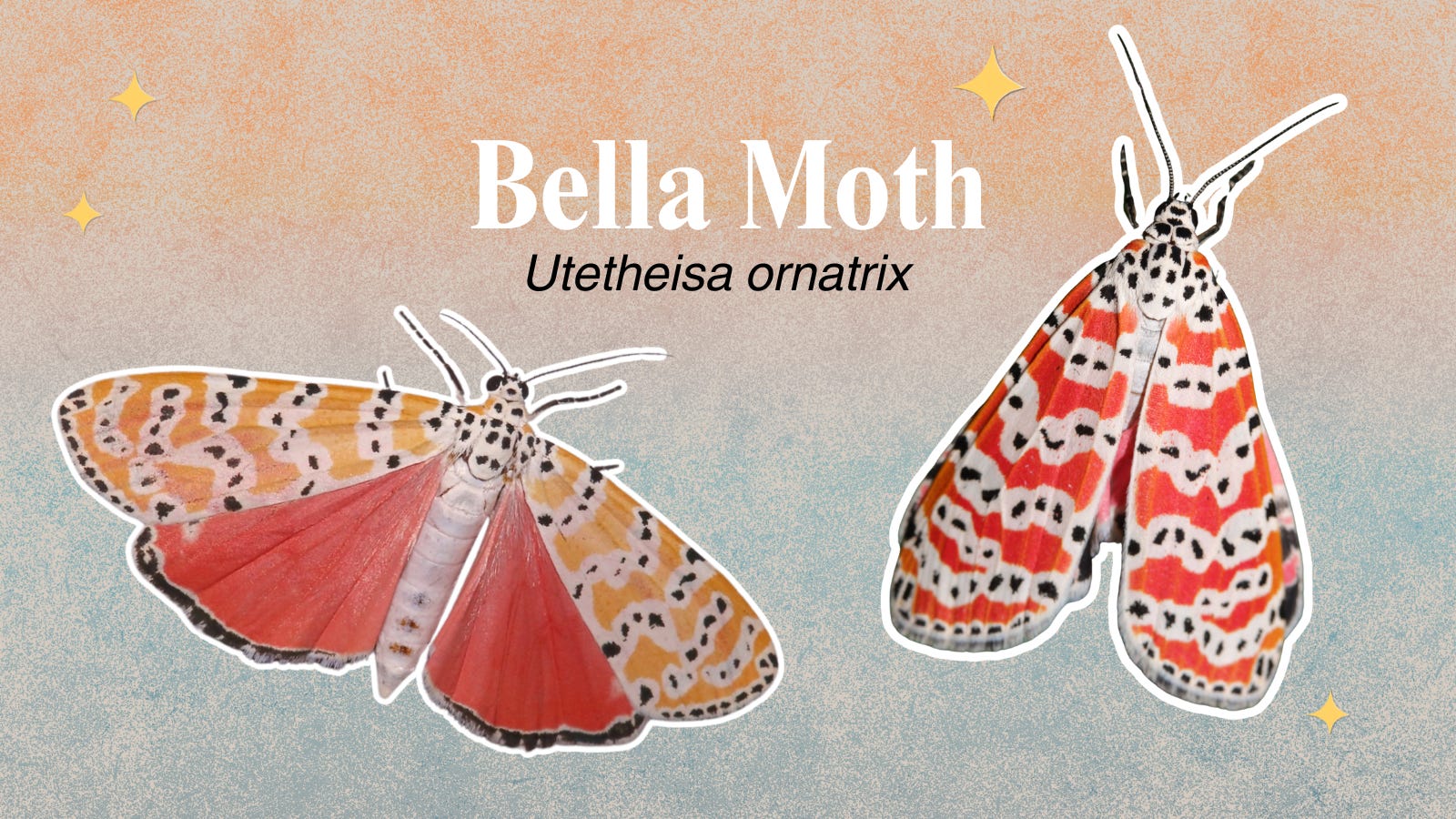
When in its caterpillar form, this moth eats plants that has a poisonous compound that makes them undesirable to predators. While mating, the male moth will transfer this compound to his mate, thereby going her and their offspring his extra defenses. That’s what we mean by men provide. The female Bella Moth will mate with several males over a course of two weeks or so, and then will pick which ones will fertilize her eggs. This insinuates that the male Bella Moth is not only selfless, but also not very jealous.
Romance/partnership: 3.5/5. I appreciate romantic poisoning but it’s not my fave courtship method. Bonus points for a lack of male insecurity though.
Visual appeal: 5/5. Gorgeous bug.
Total ranking: 8.5/10
Praying Mantis
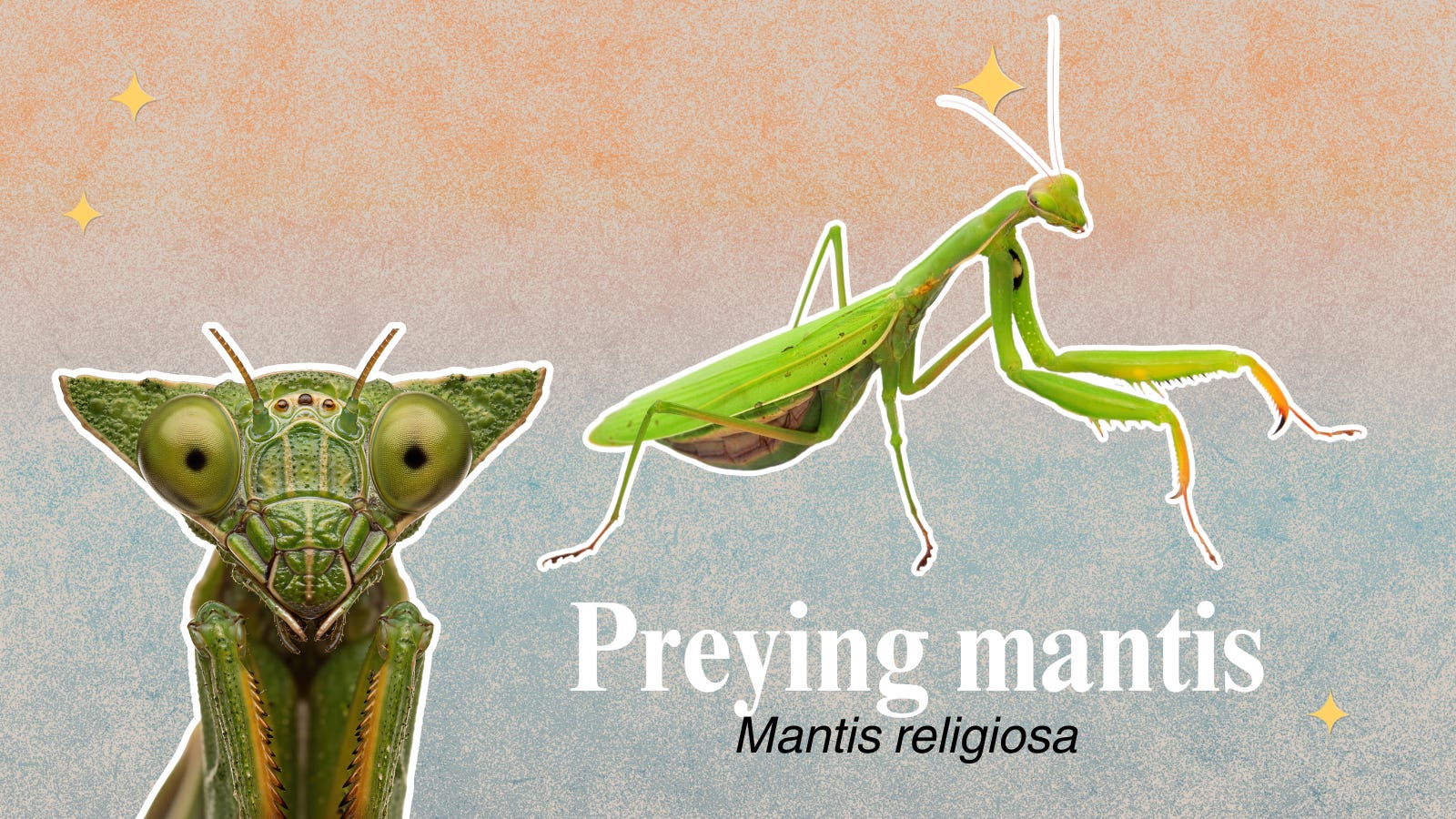
These (frankly adorable) bugs seems to have ability to feel affection. This gets them points, because I would know our love is true and not a hostage situation. Also, we have to talk about the elephant in the room: Male mantises will keep mating even after their heads have been eaten. I’m deducting points for this, because no means no. However, I do appreciate that the male is aware of this threat, and is willing to become a nutritious inheritance for the developing eggs. He’s giving his whole self to the next generation.
Romance/partnership: 4/5. Groceries are expensive dude.
Visual appeal: 5/5. I dare you to find a cuter bug.
Total ranking: 9/10
Bess Beetles
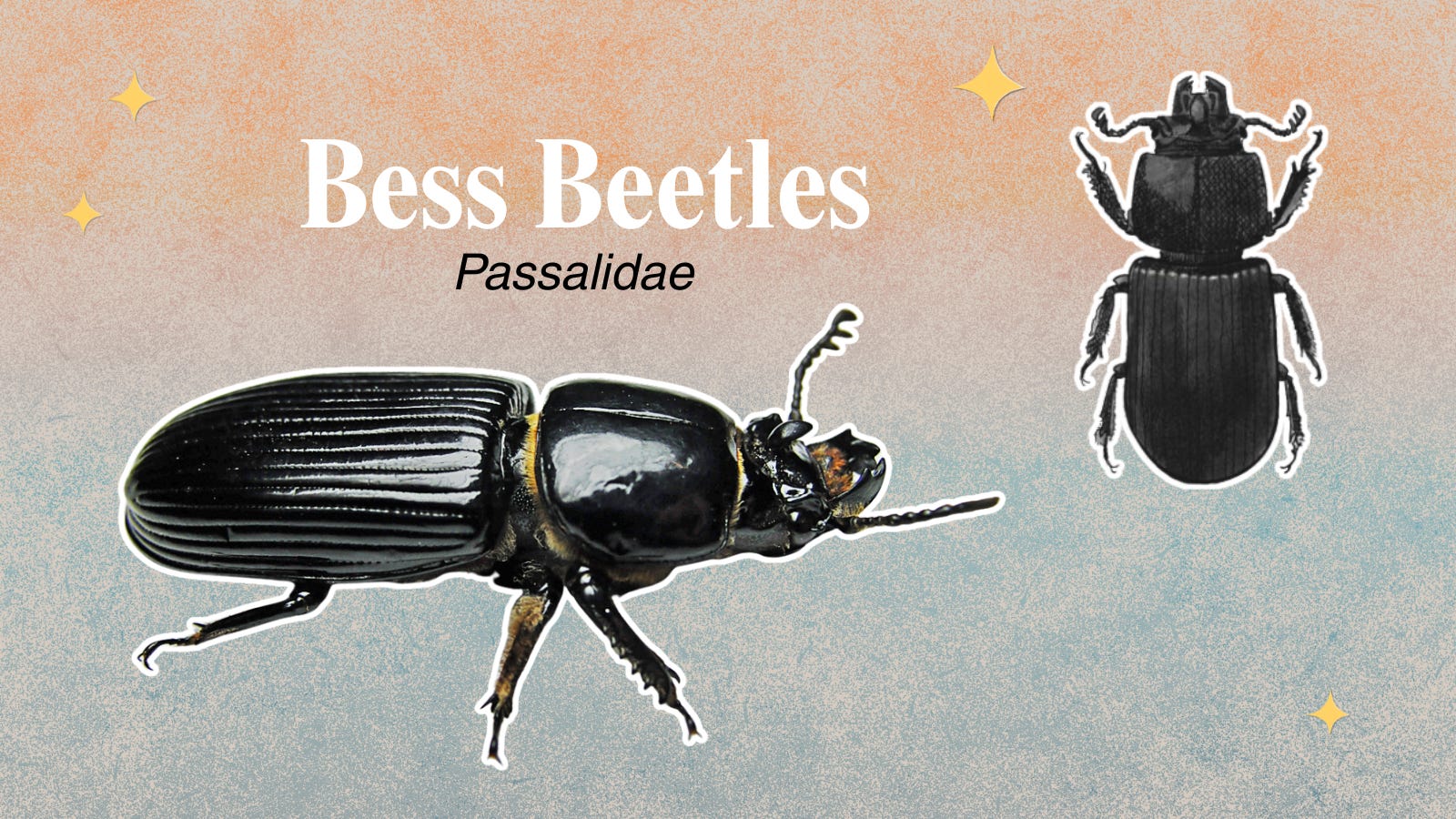
Did you know most beetle species parent together? Fathers of beetles take an active part in the raising of their young (unlike fathers of Beatles). Studies have shown that beetles have been co-parenting since ye olden ancient times, meaning this is a core value of their species. Bess Beetles especially exemplify this. The young adults will even stick around and cooperatively raise and feed their little siblings before moving on to find their own nest. While it’s not accurate to say beetles are monogamous, it’s very common for beetles to return to the same mates, season after season, if they’ve found a mate they work well with. Also, beetle families communicate with their own unique language of squeaks and acoustic reverbs, which is the cutest thing I’ve ever heard.
Romance/partnership: 5/5. I’m just a girl, looking for a family to speak my own squeak language with.
Visual appeal: 5/5. It’s so shiny.
Total ranking: 10/10
Musk Mares
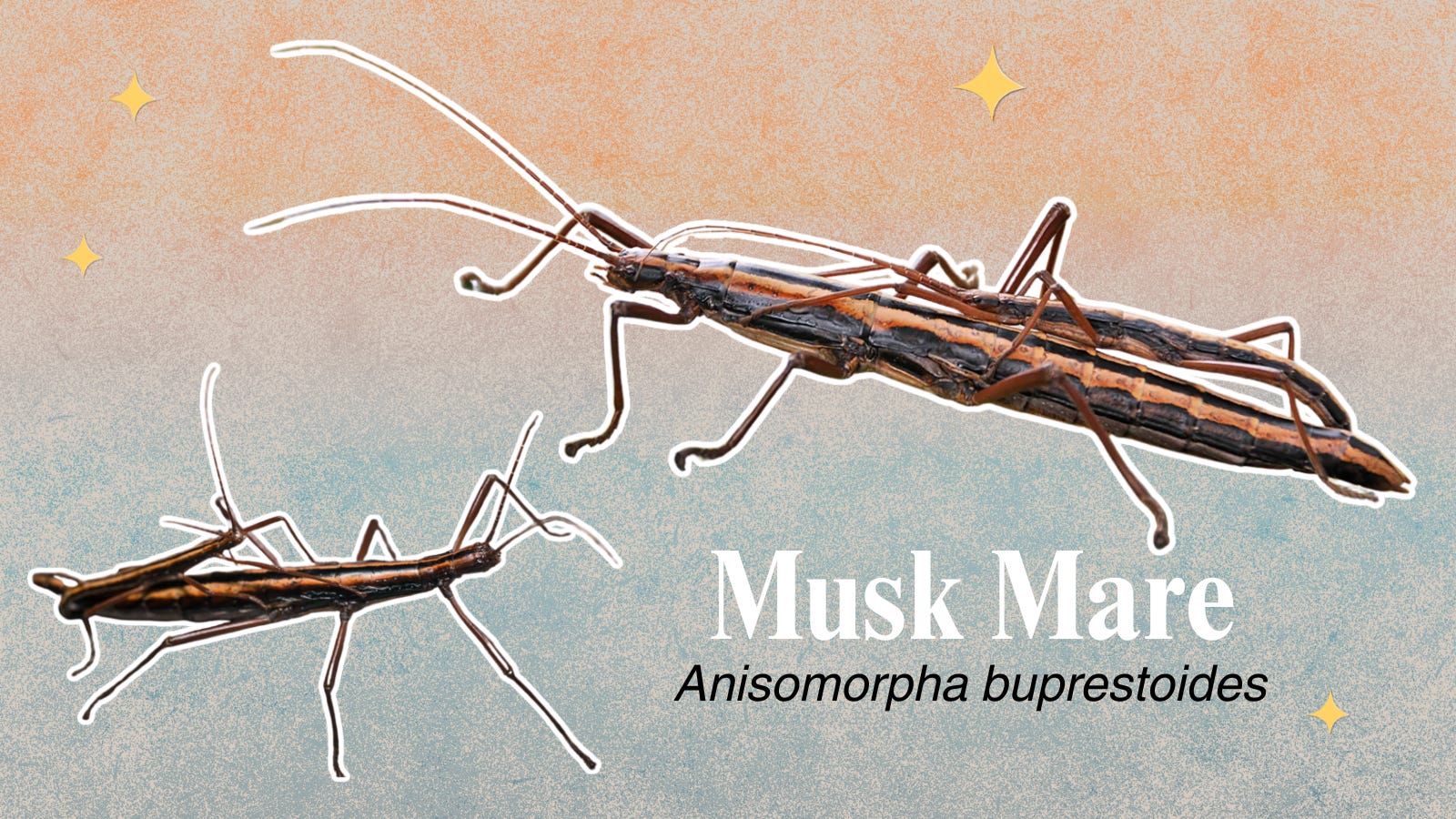
This breed of stick insect, also called a walking stick or a devile rider, mate for life. The female of the species is larger than the male, and that discrepancy is what gives them their nickname—the males will ride around on their partners back like a little jockey. Also, they mate for life, so they’re stuck with their little riders forever. Cute. The other part of their nickname comes from their habit of spraying eye-melting acid. Not cute.
Romance/partnership: 3/5. I appreciate the lifelong partnership but I value my alone time and don’t want my partner piggybacking forever.
Visual appeal: 1/5. I’m sorry, they look like the aliens from Men In Black and they freak me out.
Total ranking: 4/10. I guess I actually don’t want to date this bug.
Conclusion:
Based on factors including the level of romance and partnership, as well as an—admittedly objective—aesthetic rating, I have concluded that the bug I would most like to date is the Bess Beetle. Conversely, I would very much not like to date a Musk Mare. This data indicates that I am not into sticks, or possibly have trauma from the Men In Black franchise.
I’m talking about James and the Giant Peach, you perverts.
I cannot believe the Assassin bug didn't even get an honorable mention.